 Lupos Dış Ticaret
Executive Summary
China’s subsidy-driven manufacturing growth model is no longer producing sustainable results. Recent macroeconomic data shows a structural slowdown across industrial output, domestic demand, and pricing power.
For Chinese manufacturers, this creates financial stress and excess capacity. For Turkish importers, it creates a buyer-driven market characterized by lower export prices, improved supplier flexibility, and stronger negotiating leverage.
Key takeaway:
China’s economic slowdown is weakening producers but strengthening buyers. Turkey occupies a strategically favorable position between restricted Western markets and surplus Chinese supply.
Why Is China’s Economic Slowdown Important for Turkish Importers?
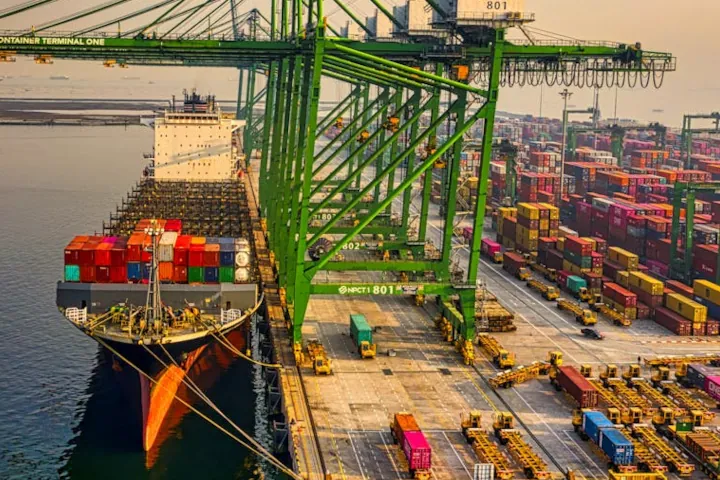
China’s slowdown matters because weak domestic demand and falling profitability are forcing manufacturers to export excess production at more aggressive terms. Turkish importers benefit from lower FOB prices, more flexible contracts, and reduced minimum order quantities.
These advantages are most visible at the FOB pricing stage, where cost transparency and logistics control directly affect total landed cost and profitability.
How China’s Subsidy-Based Manufacturing Model Worked
-
For decades, China supported its manufacturing sector through direct and indirect state intervention, including:
- Government grants and tax exemptions
- Low-interest loans from state-owned banks
- Free or discounted land, utilities, and energy
- Protection of loss-making firms from bankruptcy
- Consumer subsidies such as trade-in programs
This system allowed Chinese manufacturers to produce at artificially low costs, expand capacity rapidly, and undercut global competitors on price.
Why the Model Is No Longer Sustainable
-
Recent economic indicators show persistent deterioration rather than a temporary slowdown:
- Industrial output growth has fallen to the weakest levels in over a year
- Retail sales growth is slowing, signaling weak domestic consumption
- Inflation remains extremely low, limiting price increases
- The Chinese Producer Price Index (PPI) is falling year-on-year
- More than 40% of Chinese firms are operating at a loss
What this means:
Manufacturers are selling products at declining prices while costs remain under pressure, eroding profitability across the industrial sector.
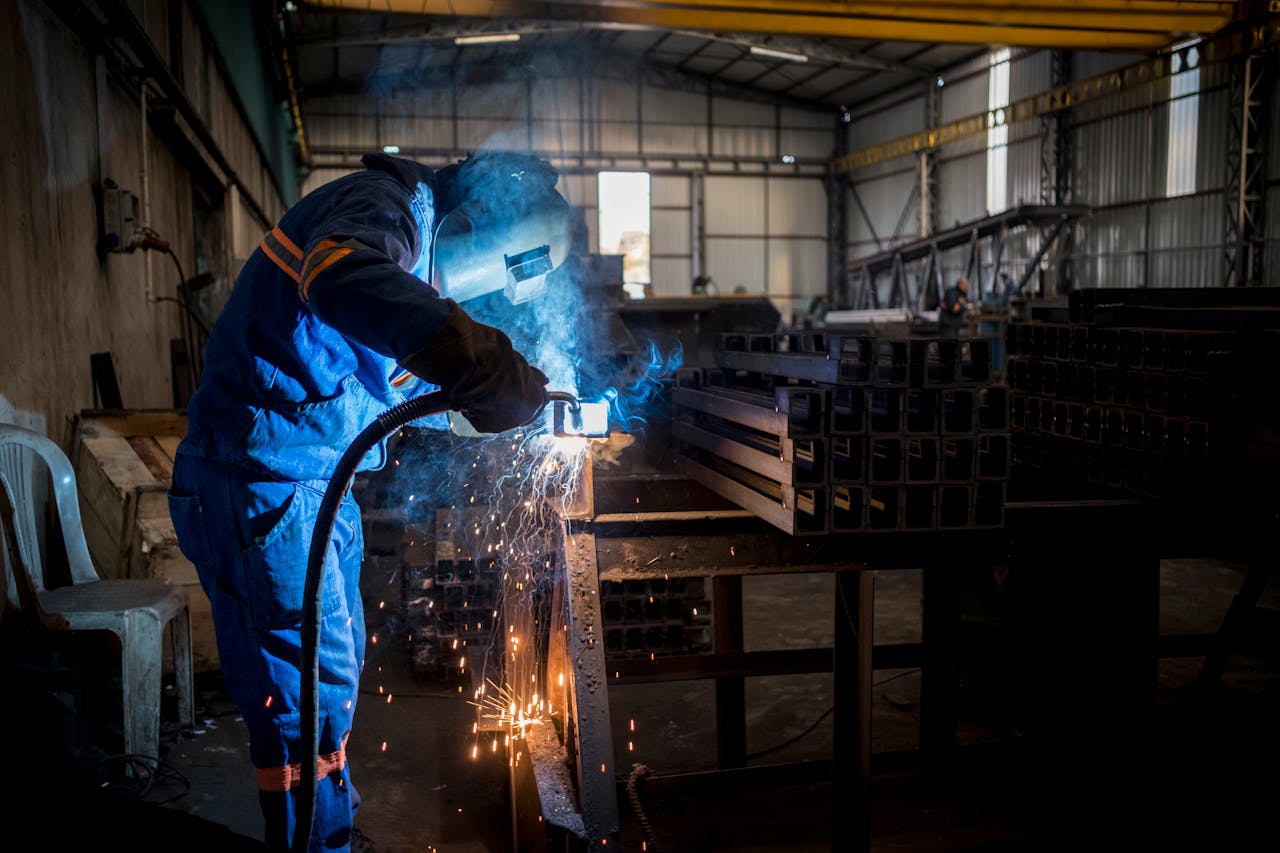 China’s subsidy-driven manufacturing growth model is no longer producing sustainable results.
Why Consumer Subsidies Are Losing Effectiveness
-
China’s trade-in and consumption subsidy programs initially boosted demand, but they also:
- Pulled future purchases forward
- Created short-term demand spikes followed by sharp declines
- Increased fiscal strain without restoring sustainable consumption
As these subsidies lose impact, exports have become the only viable outlet for many manufacturers.
Why Exports Are China’s Only Remaining Outlet
-
With domestic demand weak and capacity excessive, Chinese firms must export to survive. However, access to key markets is tightening:
- The United States has imposed broad-based tariffs
- The European Union has introduced sector-specific duties, including tariffs of up to approximately 35% on electric vehicles
- Trade investigations are expanding into steel, aluminum, solar panels, and batteries
Result:
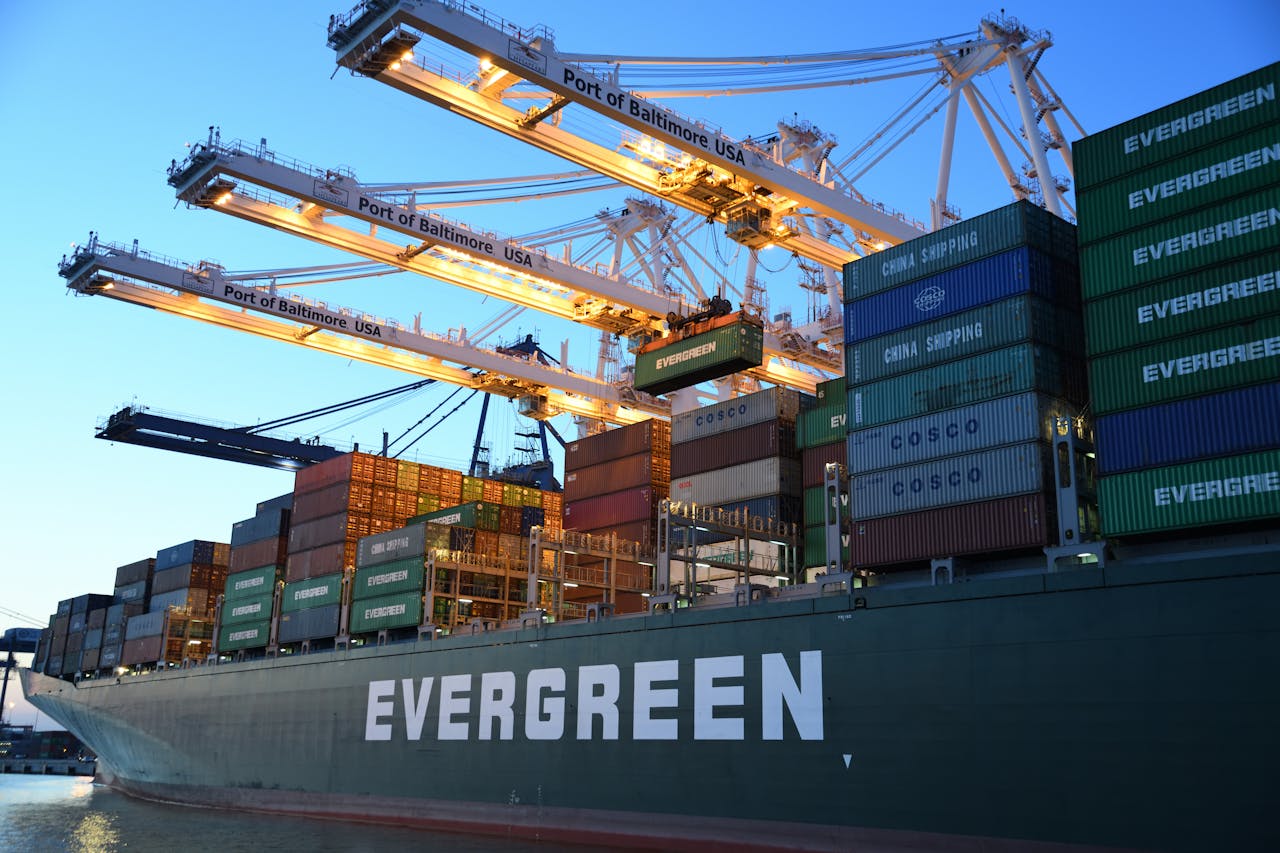
Excess supply remains inside China, intensifying price competition in alternative markets such as Turkey.
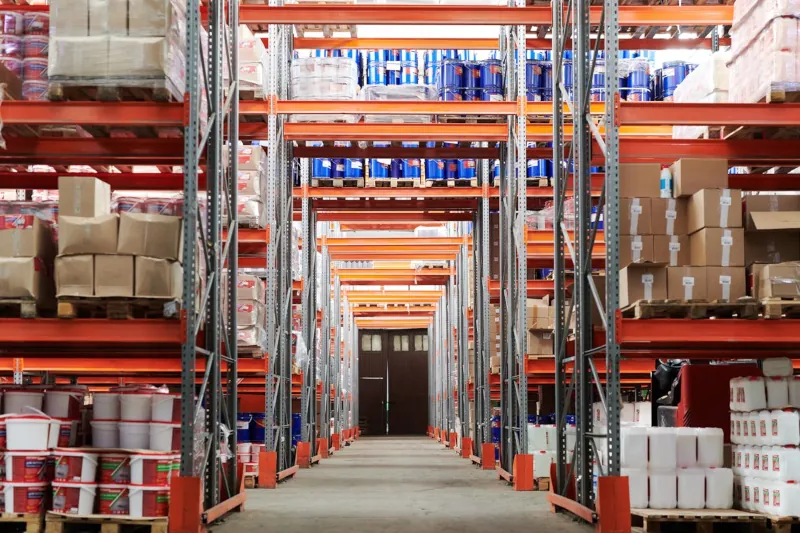 Excess supply remains inside China, intensifying price competition in alternative markets such as Turkey.
Why China’s Economic Slowdown Benefits Turkish Importers
Excess Supply Leads to Aggressive Export Pricing
-
Chinese manufacturers now face declining margins and limited market access. As a result, they are increasingly willing to:
- Accept thinner profit margins
- Offer lower FOB prices
- Improve payment terms
- Negotiate smaller minimum order quantities
Turkey, as a large, import-oriented and price-sensitive market, becomes a natural destination for this surplus production.
However, benefiting from this environment requires product and supplier feasibility analysis to distinguish genuine cost advantages from temporary price dumping, unstable factories, or non-compliant products.
Turkey Is Not Yet a Primary Tariff Target
-
Compared to the US and EU:
- Turkey applies fewer sector-specific punitive tariffs
- Trade relations with China remain pragmatic
- Enforcement intensity is lower in many product categories
This creates a temporary arbitrage window in which Chinese goods face barriers in Western markets but can still enter Turkey competitively.
Chinese Suppliers Are More Flexible Than Before
-
Under normal conditions, many Chinese manufacturers resist customization, private labeling, and small-volume orders. Current economic pressure forces them to:
- Adapt products for secondary markets
- Accept private-label production
- Offer mixed-container shipments
- Improve after-sales support
This shift significantly increases negotiating leverage for Turkish importers.
Falling Producer Prices Benefit Buyers
China’s declining Producer Price Index indicates factory-gate deflation. Cost reductions are occurring at the source, before logistics and foreign exchange effects.
-
When managed correctly, this allows importers to:
- Preserve margins
- Undercut local competitors
- Upgrade product quality without increasing retail prices
Strategic Stocking and Long-Term Contracts
-
Financial pressure is pushing some manufacturers to offer:
- Long-dated supply agreements
- Locked-in pricing
- Volume discounts tied to future deliveries
These arrangements enable importers to secure inventory, hedge against shipping or currency volatility, and establish favorable long-term supplier relationships.
What Risks Must Importers Manage?
-
This environment offers opportunity, but it also introduces risks:
- Quality risks may increase as factories cut costs
- Supplier financial stress can disrupt deliveries
- Anti-dumping investigations in Turkey may expand over time
-
Importers who benefit most typically:
- Conduct stricter supplier audits
- Diversify production sources
- Avoid dependence on a single factory
- Monitor Turkish trade defense measures closely
Managing these risks requires structured supplier verification, quality control, and close monitoring of Turkish trade defense measures before contracts are finalized.
In practice, this level of control is achieved through secure import management from China, where supplier risk, compliance exposure, and commercial terms are managed as a single accountable process rather than isolated sourcing decisions.
Conclusion: A Buyer’s Market for Turkish Importers
China’s economic slowdown is a negative development for Chinese producers, but it creates a structurally favorable environment for importers.
-
For Turkish importers, the next 12–24 months are likely to offer:
- Lower sourcing costs
- Better commercial terms
- Stronger negotiating leverage than at any point in the past decade
For businesses that understand negotiation, compliance, and risk management, this period represents not a crisis, but a strategic opportunity cycle.
 For Turkish importers, the next 12–24 months are likely to offer, Stronger negotiating leverage than at any point in the past decade
FAQ
Is China’s economic slowdown temporary or structural?
Current data across industrial output, retail sales, inflation, and producer prices suggests a structural slowdown rather than a short-term cycle.
How does China’s slowdown affect import prices in Turkey?
Excess capacity and weak domestic demand push Chinese suppliers to offer lower FOB prices, improved payment terms, and greater flexibility to Turkish buyers.
Is importing from China to Turkey becoming riskier?
Commercial terms are improving, but risks related to quality control, supplier solvency, and future trade defense measures are increasing.
Next Steps & How to Reach Us
If you want to explore this opportunity further, Lupos Dış Ticaret can assist with:
- Product research and analysis
- Identifying reputable Chinese manufacturers
- On-site quality control inspections in China
Contact Us:
Contact Form: Fill out your question at the bottom of this page and our team will get back to you.
Our team can guide you through the entire process, from analyzing market potential to securing high-quality Chinese suppliers and performing in-person quality checks, ensuring your imports are profitable and reliable.